Soccer Ball Kick Sticker Design: A Pro Review
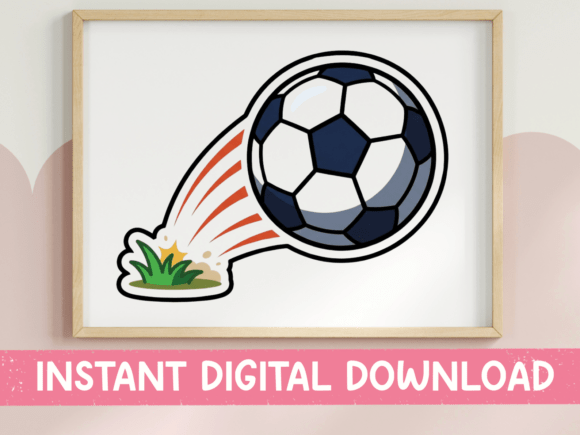
As a designer who spends more time staring at stitch maps than actual finished garments, I approach every new machine embroidery design with a healthy dose of skepticism. We have all seen those graphics that look incredible on a screen but turn into a puckered mess once the needle hits the fabric. That is why I took a close look at the Soccer Ball Kick Sticker Design. This isn't just another sports graphic; it is a bold statement piece that demands attention. The concept is simple yet effective: a classic black and white soccer ball launching off a patch of green grass, accented by bright orange speed lines. It screams motion, energy, and team spirit. But does it translate well from a digital Graphics file to a tangible, stitched reality? Let's break it down from the perspective of someone who needs to deliver a flawless finished product to a paying client.
First Impressions and Visual Personality
The first thing that strikes me about this design is its dynamic composition. Unlike static logos that sit flatly on a chest pocket, this image has built-in movement. The "sticker" aesthetic implies a layered look, which is fantastic for embroidery because it allows us to play with texture. The contrast between the monochromatic ball, the vibrant green grass, and the fiery orange speed lines creates a visual pop that works exceptionally well for custom apparel.
For an Etsy seller or a small shop owner, visual appeal is currency. This design feels modern and energetic, making it perfect for youth sports teams, school spirit wear, or even trendy streetwear. The layout suggests a medium-to-large scale application. It is not a subtle detail; it is the main event. When I visualize this on a sweatshirt embroidery project, I can immediately see how the bold colors would stand out against navy, black, or heather grey fabrics. It has the kind of personality that stops people scrolling through social media feeds or browsing a craft fair table.
Real-World Application: The Weekend Tournament Rush
To truly test the viability of this design, I imagined a real-life scenario that many of us face: the last-minute tournament order. A parent comes in needing matching gear for their child's travel soccer team by Saturday morning. They want something unique, not just a printed number on the back. This is where the Soccer Ball Kick Sticker Design shines as a potential tote bag design or a centerpiece for a team warm-up jacket.
If I were stitching this onto a heavy canvas tote for carrying cleats and shin guards, the "sticker" style would hold up beautifully. The defined edges of the grass patch and the speed lines provide clear boundaries for stitching. On a sweatshirt, the design adds a professional, boutique feel that mass-produced screen printing often lacks. Customers perceive embroidered items as higher value, and this specific graphic supports that perception. It looks intentional and crafted, rather than slapped on. For a handmade product business, offering this as a personalized gift option—perhaps adding a player's name in a complementary font below the action shot—could significantly boost average order value during the fall sports season.
Technical Considerations for Stitching Success
However, enthusiasm must be tempered with technical reality. While the design is visually striking, there are areas where an experienced embroiderer needs to proceed with caution. The description mentions "bright orange speed lines." In embroidery terms, thin, long lines like these can be tricky. If the stitch density is too low, they may look sparse or fail to cover the fabric properly. If the density is too high, they could cause puckering, especially on stretchy materials.
Before committing to a full production run, I would strongly advise testing the embroidery file on scrap fabric that matches your final garment. Pay close attention to the transition between the green grass and the white ball. These color changes require precise trimming and potentially underlay stitching to prevent the darker threads from peeking through the lighter ones. If this design utilizes a satin stitch for the outlines and a fill stitch for the interior shapes, you need to ensure your machine tension is dialed in perfectly.
Fabric choice is critical here. This design would likely struggle on a thin, stretchy performance jersey without a robust stabilizer. The density required to make those speed lines pop might weigh down a lightweight poly-blend, causing the garment to warp. Conversely, on a structured item like a cap or a thick cotton hoodie, it would likely perform much better. Speaking of caps, be mindful of the curved surface. The horizontal nature of the grass patch and the speed lines might distort slightly if hooped incorrectly on a rounded front panel. For baby embroidery projects, such as a onesie for a little fan, you might need to scale the design down, but be warned: shrinking it too much could merge the details of the speed lines into an indistinguishable blob.
Maximizing Value and Customer Trust
Using a high-quality design like this directly impacts your brand consistency and customer trust. When a client receives a custom apparel item where the stitches are crisp, the colors are vibrant, and the design holds its shape after washing, they remember that quality. They come back. They refer friends. The Soccer Ball Kick Sticker Design has the potential to be a signature look for a sports-focused craft business.
It is also worth considering how this translates to printable mockup images for your online store. Because the design has such strong graphical elements, it photographs well. You can create compelling design assets for your marketing materials that accurately represent the final stitched item. Just ensure your photos show the texture of the thread; hiding the fact that it is embroidery defeats the purpose of selling a handmade or decorated good.
Final Verdict and Designer Notes
In conclusion, the Soccer Ball Kick Sticker Design is a strong contender for any decorator's library, provided it is handled with care. It fits naturally into the world of T-Shirt Designs but elevates them through the texture of thread. It is ideal for holiday embroidery gifts for coaches, end-of-season team parties, or birthday presents for young athletes.
Before you start stitching, keep these practical notes in mind:
- Check the License: Always confirm the licensing terms before using this for commercial embroidery projects. Ensure you are allowed to sell finished physical goods.
- Test Your Hoop Size: Verify that the design fits within your available hoop dimensions without needing to re-hoop, which can lead to alignment issues.
- Thread Contrast: Source high-sheen polyester or rayon threads for the orange and green to maximize the "sticker" effect against the matte finish of the black and white ball.
- Fabric Compatibility: Avoid using this on highly textured fabrics like terry cloth unless you use a water-soluble topper to keep the stitches clean.
- Wash Testing: Run a stitched sample through a few wash cycles to ensure the speed lines do not fray or pull out.
Ultimately, this design offers a blend of classic sports imagery and modern graphic flair. With the right preparation and attention to detail, it can transform a plain garment into a cherished small shop product that stands out in a crowded market. Whether you are decorating a single embroidered patch or outfitting an entire team, this design has the legs to go the distance.