Skeleton Cowboy Cross Cactus Art Review
As a designer who spends more time staring at stitch maps than most people spend looking at their phones, I approach every new machine embroidery design with a healthy dose of skepticism. We have all been there: you download a file that looks crisp on the screen, only to watch it turn into a bird's nest of thread on your hoop. That is why I took a close look at the Skeleton Cowboy Cross Cactus Art before committing it to any client projects. This isn't just about whether the image is cute; it is about whether this digital embroidery file can withstand the rigors of real-world stitching and hold up as a profitable asset for a craft business.
The Vibe: Western Whimsy Meets Clean Lines
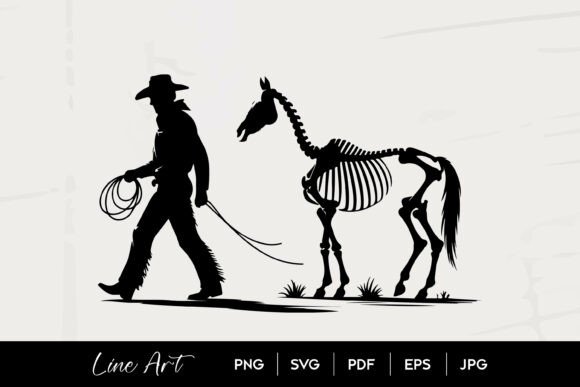
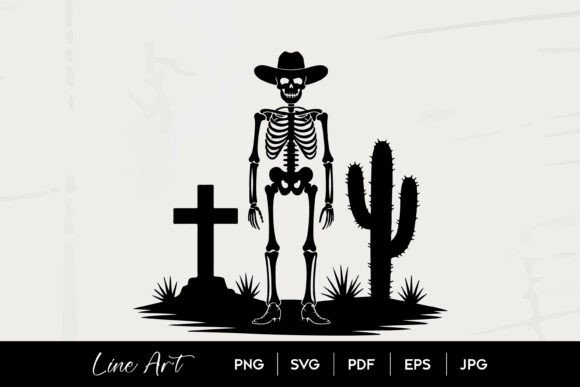
My first impression of the Skeleton Cowboy Cross Cactus Art was its strong thematic personality. In the world of Illustrations and Graphics, western themes can often feel cliché or overly busy. However, this design strikes a nice balance between the edgy "outlaw" aesthetic and approachable whimsy. The combination of a skeleton cowboy, a cross, and cactus elements creates a narrative that feels perfect for the current trend of "boho-western" decor and apparel.
Visually, the layout appears to rely heavily on line art principles. For an embroiderer, this is usually a good sign. Line art tends to translate well into running stitches or light fill stitches, which means less puckering and better drape on the final finished product. The composition feels balanced, with the verticality of the cross and cactus likely providing a strong anchor for the skeleton figure. It creates a mood that is rugged yet playful, making it versatile enough for a men's flannel shirt or a trendy tote bag without feeling out of place.
Real-World Application: The Tote Bag Test
To truly evaluate this design, I imagined a specific scenario that many Etsy sellers and boutique owners face daily: creating a custom order for a customer who wants something unique but durable. Let's say a client orders a heavy-canvas tote bag design for a local music festival or a western-themed wedding gift. This is where the Skeleton Cowboy Cross Cactus Art shines.
On a sturdy canvas or denim tote, the linear nature of the skeleton and cactus would pop beautifully against the textured fabric. Because the design likely utilizes open spaces rather than dense solid blocks of color, it avoids the "cardboard effect" where the fabric becomes stiff and unyielding. If you are planning sweatshirt embroidery, this is equally viable. A charcoal grey hoodie with this design stitched in off-white or desert sand thread colors would look incredibly professional. It elevates a basic garment into a handmade product that feels curated rather than mass-produced.
For those running a small shop product line, this graphic could also serve as the centerpiece for an embroidered patch. Patches are huge right now, and the distinct silhouette of the cowboy skeleton against the cactus background would read clearly even at a smaller scale, provided the details aren't too microscopic.
Technical Considerations and Fabric Choices
While the aesthetic is strong, we need to talk about the technical execution. When working with any design featuring bones, skulls, or fine cactus spines, stitch density is the critical factor. If the original vector files (SVG, EPS) are converted poorly into an embroidery file, those thin lines can disappear or break during stitching.
If you are using this on stretchy fabrics like jersey knits for baby embroidery or t-shirts, you must be vigilant. A design with long, uninterrupted lines can cause shifting if the stabilizer isn't robust enough. I would strongly recommend using a cut-away stabilizer for this project rather than tear-away, especially if the Skeleton Cowboy Cross Cactus Art has any detailed shading or small text elements that might get lost. The stability of the cross element is particularly important; if it wobbles, the whole composition looks amateurish.
Dark fabrics present another challenge. Since this is largely line art, you cannot rely on the background fabric to show through unless you are doing appliqué. If you are stitching on black denim, you will need high-contrast thread colors. A matte finish thread might get lost, so consider using a slightly higher sheen rayon or polyester to make the bones and cactus spines stand out. Always test your design on scrap fabric first. Do not skip this step. Check how the corners of the cross and the tips of the cactus needles stitch out. These are the areas where machines often struggle with trimming jumps or maintaining tension.
Where to Use It Carefully
Not every surface is created equal. While this design is versatile, there are limits. Curved surfaces like caps require extra caution. The center of a cap is a small, highly curved area. If the Skeleton Cowboy Cross Cactus Art is too wide, it will distort around the curve, making the cowboy look warped. Similarly, avoid using this on very thin, silky fabrics unless you have significant experience with hooping techniques, as the weight of the stitching could pull the fabric out of shape.
Also, consider the end use. If this is for a holiday embroidery gift or a kitchen towel that will be washed frequently, ensure the stitch count isn't too low. Low-density designs can snag easily in the wash. Conversely, if the density is too high, the item will become stiff and uncomfortable to wear. Finding that middle ground is key to customer satisfaction.
Commercial Value and Brand Consistency
For the commercial embroidery professional, the value of a design lies in its repeatability and appeal. The Skeleton Cowboy Cross Cactus Art has strong "giftability." It fits perfectly into niches like biker culture, western weddings, Halloween alternatives, and southwestern home decor. Using this consistently across your printable mockup previews and actual inventory can help build brand recognition.
Customers trust quality. When they see clean lines, consistent stitch direction, and no loose threads, they associate that quality with your brand. This design, with its clear subject matter and strong outlines, supports that perception of professionalism. It tells the buyer that you care about the details, from the choice of thread to the placement of the hoop.
Final Designer Notes
Before you list this as a design asset or stitch it onto your next batch of custom apparel, do your due diligence. The product description mentions you receive SVG, PNG, EPS, JPG, and PDF files. Remember, these are primarily graphic formats. Unless explicitly stated otherwise, you may need to digitize these vectors yourself or verify if an embroidery-specific format (like PES, DST, or XXX) is included or available separately. Never assume a PNG is ready for your machine.
Check the licensing terms carefully. Just because you bought the graphic doesn't automatically mean you have the rights to sell thousands of physical items using the design, although most marketplaces offer commercial licenses for crafters. Confirm this before launching your Etsy listing. Finally, play with your color palette. Don't just stick to standard white or black. Try earth tones, rusted oranges, or sage greens to really make the cactus and desert theme sing.
In conclusion, the Skeleton Cowboy Cross Cactus Art is a promising candidate for a wide range of projects. It offers a cool, contemporary twist on western motifs that resonates with modern buyers. With the right stabilizer, thoughtful thread choices, and a careful eye on stitch density, this design can be the star of your next successful embroidery project.