Review: St. Patrick's Day Faux Yarn Shamrock PNG
As a designer who spends more time staring at stitch counts and fabric grains than most, I approach new assets with a healthy dose of skepticism. We all know the feeling: you download a digital embroidery file that looks crisp on the screen, only to find it turns into a bird's nest of thread once it hits the hoop. That is why I took a close look at the St. Patrick s Day Faux Yarn Shamrock PNG before committing it to any client projects. This isn't just another holiday graphic; it is a specific textural study that requires careful handling to translate from a high-resolution image to a tangible handmade product.
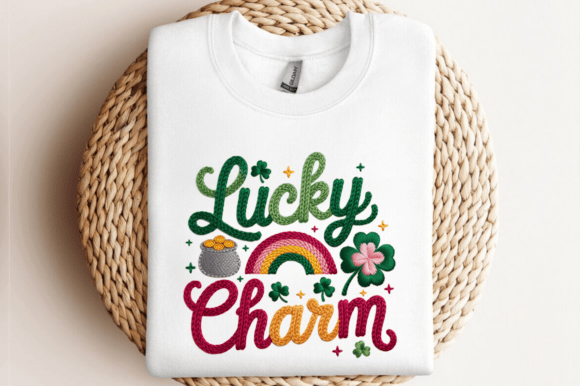
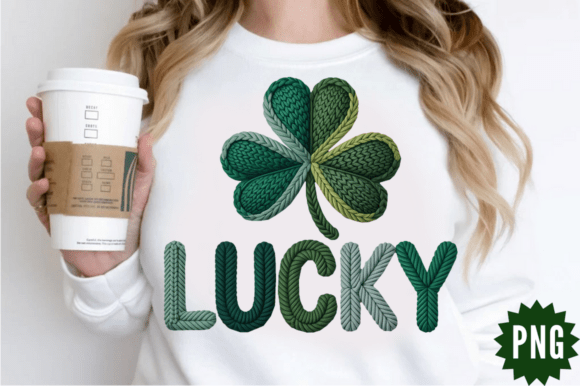
My first impression of this design was its mood. Unlike the flat, vector-style shamrocks that dominate the market every March, this graphic leans heavily into a cozy, tactile aesthetic. The "faux yarn" texture implies warmth and craftsmanship, which is exactly the vibe customers are looking for in spring collections. However, because this is categorized under Illustrations and Graphics rather than a pre-digitized embroidery file, the burden of translation falls on us. The 2500×2500 px resolution at 300 DPI is excellent for creating printable mockups or heat transfer applications, but for machine embroidery, it serves as a superior reference map for digitizing or manual appliqué work.
Translating Texture into Thread
The real test for any design asset is how it performs in a live scenario. I recently had a request for a limited-run tote bag design for a local boutique celebrating St. Patrick's Day. The client wanted something that felt organic, not corporate. This is where the St. Patrick s Day Faux Yarn Shamrock PNG shined as a conceptual guide. By using the graphic as a visual target, I could determine the best approach for the actual stitching.
If you are planning to use this graphic for a sweatshirt embroidery project, the faux yarn texture suggests a specific technique. A standard fill stitch might look too flat and plastic-like against the fuzzy fleece of a sweatshirt. Instead, this design inspires the use of textured threads or perhaps a dense satin stitch border to mimic the look of crocheted yarn. For an applique design, this PNG is invaluable. You can print the template, cut it from a wool-blend felt that naturally has that yarn-like appearance, and stitch it down. The result is a finished product that genuinely looks like a hand-crafted item, even though it was produced efficiently.
For those running an Etsy seller shop or a small craft business, the visual appeal of this graphic cannot be overstated. In the world of online sales, the photograph sells the item. Using this high-res PNG to create lifestyle images for your listings allows customers to visualize the texture before they even touch the fabric. It builds customer trust because the preview matches the reality of a well-executed embroidered patch or garment.
Practical Considerations for Fabric and Hoops
While the aesthetic is charming, we must discuss the technical realities of executing this look. The intricate "yarn" details in the graphic mean there are many potential pitfalls if you are not careful with your material choices. If you attempt to replicate these fine details on a stretchy fabric like a thin cotton tee without proper stabilization, the design will distort. The stitch density required to mimic that yarn look can be heavy.
I strongly advise testing the design on scrap fabric first. If you are digitizing this yourself based on the PNG, pay close attention to the corners of the shamrock leaves. Tiny, detailed corners often pull inward if the underlay is insufficient. Furthermore, consider your hoop size. While the image is large, scaling it down for a baby embroidery project on a onesie might lose those delicate textural nuances. On small items, simplification is key; you might need to reduce the complexity of the "yarn" strands to ensure clarity.
Fabric texture also plays a massive role. On a smooth broadcloth, a faux yarn design stands out beautifully. However, on a highly textured linen or a looped towel, the design might get lost. I found that this graphic works best on medium-weight fabrics where the background provides a clean canvas for the "yarn" illusion to pop. For dark fabrics, ensure your thread colors have enough contrast. A muted green on a navy background might look sophisticated in the PNG, but in thread, it could disappear entirely.
Commercial Viability and Brand Consistency
For creative entrepreneurs and apparel decorators, consistency is the backbone of brand value. Using a cohesive set of design assets like this shamrock graphic helps maintain a professional look across different products. Whether you are making kitchen towels, pillow covers, or caps, the distinct style of this faux yarn look creates a recognizable signature for your shop.
However, a word of caution regarding licensing and file types. Since this is provided as a PNG within the Illustrations category, it is not a ready-to-stitch machine file. You cannot load a PNG directly into most embroidery machines. You must either digitize it yourself, hire a digitizer, or use it as a template for cutting appliqué shapes. Always confirm the licensing terms before selling commercial embroidery items derived from this graphic. Some creators allow unlimited sales of finished physical goods, while others restrict the use of the digital file itself.
When used correctly, the St. Patrick s Day Faux Yarn Shamrock PNG elevates the perceived value of your items. A customer is willing to pay more for a personalized gift that looks like it involved hours of crochet work, even if it was achieved through smart design and efficient embroidery techniques. It bridges the gap between modern manufacturing and traditional craft aesthetics.
Final Verdict for Makers
In conclusion, this graphic is a powerful tool for the thoughtful designer. It is not a magic button that instantly creates a stitched object, but rather a high-quality blueprint for creating one. Its strength lies in its ability to evoke a specific feeling of handmade warmth. Whether you are preparing holiday embroidery for a family reunion or stocking up inventory for a craft fair, this design offers a unique alternative to the standard flat greens we see every year.
Remember to check your stabilizer choice, test your tension on similar fabrics, and respect the limitations of your machine when tackling detailed textures. If you take the time to interpret this PNG with care, the resulting custom apparel or home decor will stand out in a crowded marketplace. It is a solid addition to any designer's library for spring projects, provided you treat it as the artistic foundation it is meant to be.