Review: Not My First Rodeo Texas Flag Sticker Design
When I first pulled up the Not My First Rodeo Texas Flag Sticker on my screen, I didn't just see a graphic; I saw a potential best-seller for the upcoming holiday season. As someone who spends hours digitizing and stitching for clients, I know that a design needs to do more than look good in a preview window. It has to hold up under the needle, translate well to fabric texture, and resonate with the end customer. This particular piece, categorized under T-Shirt Designs and Graphics, carries a specific western humor vibe that is incredibly popular right now, but its "bumper sticker" aesthetic presents unique challenges and opportunities for the serious embroidery artist.
The Visual Personality and First Impressions
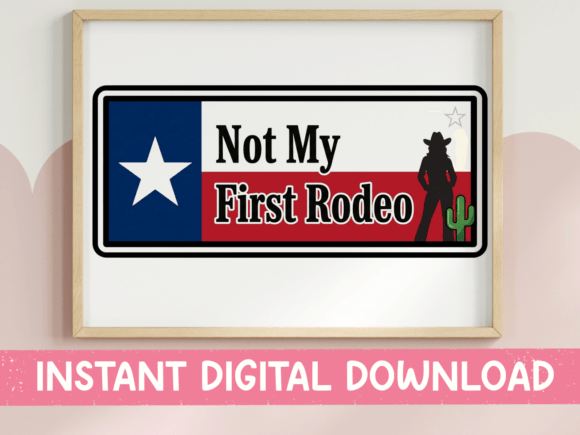
The immediate appeal of this design lies in its boldness. The rectangular badge shape, filled with the iconic red, white, and blue of the Texas flag, creates a strong visual anchor. The phrase "Not My First Rodeo" is integrated directly into the flag motif, which suggests a layout that relies heavily on clean lines and distinct color blocking. For an embroidery project, this means we are likely dealing with substantial fill stitch areas to capture that solid flag look, potentially bordered by satin stitch to define the rectangular edges sharply.
The mood here is confident and playful. It speaks to resilience and experience, making it a perfect fit for custom apparel like sweatshirts or durable goods like tote bags. However, because the source material mimics a printed sticker, my first thought as a reviewer is about how those flat digital colors will translate into thread. Thread has sheen and dimension; a flat red block in a graphic file can become a muddy mess if the stitch density is too high or if the thread choice lacks the necessary vibrancy against the fabric.
Real-World Application: The Sweatshirt Scenario
Let's imagine a real-life scenario where you are preparing a custom order for a local boutique. They want a line of unisex crewneck sweatshirts featuring this design. This is where the Not My First Rodeo Texas Flag Sticker truly shines if handled correctly. A mid-weight cotton blend sweatshirt provides the stability needed for the dense fill stitches required by the flag background. The texture of the fleece backing helps prevent puckering, a common issue with large rectangular designs.
In this context, the design acts as a statement piece. Placed centrally on the chest, it becomes the focal point of the garment. Customers browsing an Etsy shop or walking through a craft fair are drawn to recognizable symbols like the Texas flag, especially when paired with witty text. The finished product feels substantial and professional, elevating the perceived value of the handmade item. It moves beyond a simple hobbyist creation into the realm of boutique branding.
However, if you were to attempt this same design on a thin, stretchy t-shirt without proper stabilization, you would likely face distortion. The rigid rectangular shape of the "sticker" does not forgive fabric movement well. This is why understanding the substrate is just as important as the embroidery file itself.
Navigating Technical Challenges and Fabric Choices
While the design is striking, there are specific areas where caution is required. The intersection of the white star (implied in the Texas flag motif) and the red and blue fields requires precise registration. If the digitizing isn't tight, you might see gaps or overlapping threads that ruin the crisp "printed" look the design aims for. Furthermore, the lettering within the flag needs careful inspection. In a bumper sticker style, text is often condensed to fit the shape. On a machine embroidery design, small lettering can easily become illegible if the stitch count is too low or if the font strokes are too thin.
I would advise testing this design on scrap fabric that matches your final product exactly. If you are working with dark fabric, ensure the white elements of the flag have sufficient underlay to prevent the background color from showing through. Conversely, on light fabrics, the red and blue must be vibrant enough to stand out without looking washed out. Textured fabrics like waffle knits or heavy canvas can interfere with the smooth appearance of the fill stitches, so a smoother fabric surface is generally preferable for this specific graphic style.
Curved surfaces, such as caps, present another hurdle. A rectangular badge design can look distorted when stitched onto the curved panel of a baseball cap. Unless the design has been specifically digitized for hats with appropriate pull compensation, it is safer to stick to flat surfaces like aprons, pillow covers, or tea towels. Speaking of home goods, this design would make a fantastic addition to a kitchen towel set or a decorative pillow cover for a rustic-themed living room, adding a touch of regional pride to holiday embroidery collections.
Enhancing Value and Customer Trust
For small shop owners and creative entrepreneurs, the consistency of your finished product builds brand trust. Using a high-quality embroidery project like this one signals to your customers that you care about detail. When a buyer receives a personalized gift or a custom apparel item where the colors are rich, the edges are clean, and the text is readable, they are more likely to return or recommend your shop. The Not My First Rodeo Texas Flag Sticker has the potential to be a signature item for a Texas-focused brand, provided the execution is flawless.
Visual appeal drives buyer engagement. In a sea of generic designs, this graphic stands out because it combines a strong cultural symbol with relatable humor. It works well for printable mockups used in digital product previews, allowing sellers to showcase the design on various items before committing to production. Whether you are selling the physical embroidered patch, the finished tote bag design, or even the digital embroidery file for others to use, the professionalism of the final output dictates your success.
Practical Notes for the Studio
Before running this design on a client's garment, here are a few essential steps to take in your studio:
- Test Stitch Density: Run a test on scrap fabric to ensure the fill stitches aren't too dense, which can cause the fabric to pucker or the thread to break.
- Check Thread Contrast: Verify that your chosen thread colors match the bold red, white, and blue of the Texas flag accurately. Off-shades can make the design look dull.
- Inspect Small Details: Zoom in on the lettering in your software. Ensure the connecting bridges in the text are sufficient to hold the stitches together without creating unsightly jumps.
- Confirm Hoop Size: Since this is a rectangular badge, ensure your hoop size accommodates the width without needing to re-hoop, which can lead to alignment issues.
- Stabilizer Selection: Use a cut-away stabilizer for stretchy fabrics like sweatshirts to provide long-term support, while tear-away might suffice for stable woven fabrics like aprons.
- Licensing Verification: Always confirm the licensing terms before selling finished items or digital products. Ensure the license allows for commercial embroidery projects if you intend to sell the physical goods.
Ultimately, the Not My First Rodeo Texas Flag Sticker is a versatile asset for the modern maker. It bridges the gap between traditional western themes and contemporary graphic trends. By paying attention to fabric selection, stitch quality, and presentation, you can transform this graphic into a standout piece of custom apparel or decor that customers will love. It is a reminder that in our craft, the difference between a good design and a great finished product often comes down to the thoughtful decisions we make before the needle even hits the fabric.