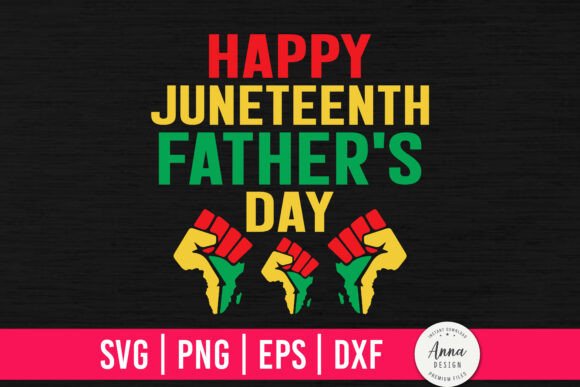
Review: Happy Juneteenth Father's Day SVG for Embroidery
As a designer who spends more time staring at stitch maps than most people care to admit, I approach every new digital embroidery file with a mix of excitement and skepticism. When I first pulled up the Happy Juneteenth Father's Day SVG, my immediate reaction was one of appreciation for the timing and the sentiment. Merging these two significant occasions into a single design asset is a smart move for any Etsy seller or craft business owner looking to maximize their June production schedule. However, having the file is only half the battle; the real test is how it translates from a vector graphic into a tangible, stitched finished product.
First Impressions and Design Personality
The visual personality of this design strikes a balance between celebratory and heartfelt. For a project meant to honor both heritage and fatherhood, the layout needs to feel substantial without being overwhelming. Upon inspecting the lines, the design appears clean, which is crucial when you are dealing with text-heavy themes. In the world of Print Templates and Graphics, we often see designs that look great on a screen but fall apart under the needle. The spacing here seems intentional, suggesting that the creator considered how the elements would interact with thread rather than just ink.
The mood is warm and inviting, perfect for the summer season. It avoids overly complex shading that might muddy the final look, opting instead for bold shapes that will read well from a distance. This is essential for items like tote bag designs or sweatshirt embroidery where the viewer might be standing a few feet away. The simplicity of the shape language suggests it could work beautifully as a standalone motif or as part of a larger composition involving floral accents or date personalization.
Real-World Application: The Custom Tote Scenario
To truly evaluate this machine embroidery design, I imagined a specific real-life scenario: a custom order for a local community group needing matching tote bags for a Juneteenth celebration that coincides with Father's Day weekend. The client wants something durable, washable, and visually striking. This is where the rubber meets the road.
If I were stitching this onto a canvas tote, the structural integrity of the design becomes paramount. Canvas has a distinct weave, and if the stitch density is too low, the fabric texture will show through the letters, making the text hard to read. Conversely, if the density is too high, the bag could pucker or become stiff. Based on the visual weight of the Happy Juneteenth Father's Day SVG, it seems robust enough to handle a standard fill stitch approach. I would likely pair it with a heavy-duty cutaway stabilizer to ensure the design remains crisp after multiple washes.
For a personalized gift like a baby onesie or a nursery pillow cover, the approach would shift. Here, the softness of the hand is critical. I would consider converting certain elements into an applique design if the file allows for layer separation, or using a lighter fill stitch to keep the garment flexible. The design's clear outlines make it a strong candidate for appliqué, where a contrasting fabric could add a lovely textural dimension that elevates the perceived value of the handmade product.
Navigating Fabric Challenges and Hoop Constraints
One of the most critical aspects of using any embroidery file is understanding its limitations on different materials. While this design shines on stable fabrics like cotton twill or denim, caution is advised when working with stretchy knits or textured fleece. If you are planning holiday embroidery on a soft sweatshirt, you must account for the fabric's give. Without proper stabilization, the detailed corners of the lettering could distort over time.
Furthermore, hoop size is a non-negotiable factor. Before committing to a large batch of custom apparel, you must verify the dimensions of the design against your machine's capabilities. While the file description indicates compatibility with cutting machines like Cricut and Silhouette, embroidery machines have different constraints. If the design is wide, it might require a larger hoop or even a re-digitizing process to break it into sections for smaller hoops. Always check the specific measurements provided by the seller to avoid mid-project surprises.
Dark fabrics present another consideration. The contrast between the thread and the background is what makes the design pop. If you are stitching this onto a black cap or a navy apron, you will need to carefully select your thread colors. A standard red, black, and green palette fits the Juneteenth theme perfectly, but ensure the black thread used in the design doesn't disappear into a black garment. In such cases, adding a light-colored underlay or border might be necessary to define the edges.
Commercial Viability and Brand Consistency
For small shop product creators and digital product sellers, the commercial viability of a design is just as important as its aesthetic appeal. Does this design build trust? Absolutely. A well-executed embroidery project signals professionalism. When a customer sees clean satin stitches and sharp corners on a printed mockup or the actual item, it reinforces the quality of your brand.
This particular SVG offers versatility for various revenue streams. It can be used for physical goods like embroidered patches, kitchen towels, or boutique clothing. It also holds potential as a component in digital bundles, provided the licensing terms allow for it. Speaking of which, always confirm the license before selling. Just because a file is labeled as "print-ready" for cutters doesn't automatically grant unlimited commercial rights for embroidered goods. Protect your craft business by reading the fine print regarding commercial embroidery usage.
Practical Designer Notes for Success
Before you run this design on a client's expensive garment, take these practical steps to ensure a flawless result:
- Test on Scrap Fabric: Always stitch a sample on the exact same material and weight as your final product. This reveals issues with tension and density that screens cannot show.
- Check Thread Contrast: View your test stitch-out in black and white. If the design loses definition without color, you may need to adjust your thread choices or add outlining.
- Inspect Small Details: Look closely at the tiny lettering and sharp corners. If they look jagged or filled in, the digitizing might need adjustment for your specific machine speed and thread type.
- Verify File Formats: The product mentions SVG, PNG, DXF, and EPS. Ensure you have the correct embroidery format (like PES, DST, or XXX) for your machine, or be prepared to digitize the vector file yourself.
- Consider the End Use: Will this item be washed frequently? If so, prioritize durability over speed. Use high-quality stabilizers and secure your thread tails meticulously.
In conclusion, the Happy Juneteenth Father's Day SVG is a promising asset for the creative entrepreneur. It captures a meaningful moment in time with a design structure that lends itself well to various textile applications. Whether you are creating a one-off personalized gift or scaling up for a seasonal collection, this design offers a solid foundation. With careful attention to fabric selection, stabilization, and thread management, it can become a standout piece in your portfolio, bridging the gap between digital convenience and the timeless art of embroidery.