Review: Feed Me Monster Plant Sticker Design for Embroidery
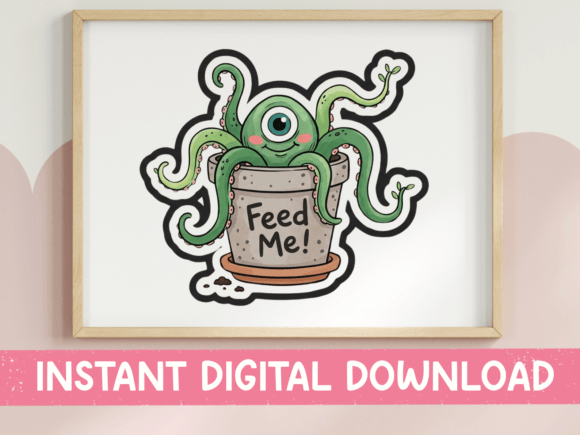
As a designer who spends more time staring at stitch previews than actual sunlight, I am always on the lookout for graphics that translate well from screen to thread. Recently, I got my hands on the Feed Me Monster Plant Sticker Design, and it immediately caught my eye. The concept is simple but effective: a chubby, wide-eyed one-eyed monster with spiky tentacle vines bursting out of a speckled pot. It hits that sweet spot between "creepy" and "cute" that seems to be dominating current trends in T-Shirt Designs and boutique apparel.
However, liking a graphic on a website is very different from trusting it with your reputation as an Etsy seller or craft business owner. Before I commit this digital embroidery file to a client's custom order, I need to know how it behaves under the needle. Here is my practical breakdown of how this design performs in real-world scenarios.
First Impressions and Visual Personality
The first thing you notice about the Feed Me Monster Plant Sticker Design is its personality. It isn't trying to be elegant or traditional; it is quirky, bold, and full of character. The wide eye gives it an innocent yet slightly manic expression, while the spiky vines add a dynamic sense of movement. For an embroidery project, this kind of visual energy is gold. It stops the scroll on social media and draws attention on a crowded craft fair table.
From a layout perspective, the design feels compact but impactful. The "sticker" aesthetic implies a defined border or a clean edge, which usually translates well into satin stitch outlines or dense fill stitches. The contrast between the round, chubby body of the monster and the sharp, jagged lines of the vines creates a nice textural balance. If you are looking to add some humor to your handmade product lineup, this graphic delivers without needing excessive explanation.
Real-World Application Scenarios
To truly test the viability of this design, I imagined several specific use cases where it would shine. The most obvious application is sweatshirt embroidery. Picture a heather grey crewneck with this monster stitched large on the back or smaller on the left chest. The texture of the fleece would support the density of the vines, and the playful theme fits perfectly with casual streetwear trends.
Another strong contender is the tote bag design. Canvas bags are sturdy enough to handle multiple layers of stitching without puckering. A black canvas tote with bright green vines and a contrasting monster body would make for a fantastic personalized gift for plant lovers who appreciate dark humor. I could also see this working beautifully as an embroidered patch. If digitized with a merrowed edge or a tight satin border, these could be sold as standalone accessories or ironed onto denim jackets and backpacks.
For those running a nursery decor shop, this could be adapted for baby embroidery, provided the details are simplified. A onesie or a burp cloth featuring a softer version of the monster could be a hit, though you must be mindful of stitch density against delicate skin. Additionally, consider holiday embroidery; this creature would make a hilarious addition to Halloween aprons or Thanksgiving kitchen towels, adding a spooky twist to seasonal decor.
Technical Considerations and Fabric Choices
While the design is charming, technical execution is where many Graphics fail. The spiky tentacle vines are the most critical area to evaluate. In a machine embroidery design, sharp points can sometimes look blunt if the stitch count is too low or if the pull of the thread distorts the shape. You need to ensure the digitizer used appropriate underlay and that the stitch density is balanced. Too dense, and the fabric will pucker; too light, and the backing will show through, ruining the "sticker" illusion.
Fabric choice matters immensely here. On stable fabrics like cotton twill, denim, or canvas, the Feed Me Monster Plant Sticker Design should hold its shape well. However, if you are attempting this on stretchy knits or thin performance fabrics, you must use a high-quality cut-away stabilizer. Without proper support, those spiky vines might warp after the first wash, turning your cute monster into a misshapen blob.
Be cautious with dark fabrics. If the design relies on light thread colors for the monster's body, you may need a layer of white underlay to prevent the garment color from muting the vibrancy. Conversely, if the design includes tiny details or simulated running stitch elements for texture, ensure they are large enough to be seen clearly on textured materials like terry cloth or wool blends.
Where to Use Caution
- Small Hoop Sizes: If you are downsizing this for a cap or a small pocket, verify that the "speckled" details in the pot do not become indistinguishable blobs. Tiny details often get lost when scaled down.
- Curved Surfaces: Embroidering on a baseball cap requires careful hooping. The curvature can distort the circular nature of the pot, making the monster look like it is sliding off.
- Dense Stitch Areas: Check the center of the monster's body. If it is a solid fill stitch area, ensure there is enough variation in stitch direction to avoid a shiny, plastic-like appearance that detracts from the handmade feel.
- Frequent Washing: Products like kitchen towels or baby items undergo rigorous washing cycles. Ensure the edges of the vines are tacked down securely to prevent fraying over time.
Impact on Brand and Customer Perception
Using a distinct character like this in your commercial embroidery projects can significantly boost brand recognition. When customers see a unique, well-executed design repeatedly, they begin to associate that quality with your shop. The Feed Me Monster Plant Sticker Design has high "giftability." It is the kind of item someone buys impulsively because it makes them smile, which drives engagement and sales for small shop products.
Furthermore, presenting this design in professional printable mockups before listing it can help visualize the final result. Show it on different backgrounds—light, dark, and textured—to give potential buyers confidence in the finished product. Transparency about how the design looks on various materials builds trust and reduces return rates.
Final Designer Notes and Recommendations
Before you list this as a design asset or stitch it for a client, take these practical steps:
- Test on Scrap Fabric: Always run a sample on the exact fabric type you intend to sell. What looks good on polyester might pucker on cotton.
- Check Thread Contrast: Ensure your chosen thread colors pop against the fabric. High contrast is key for the "sticker" effect to work.
- Verify Licensing: Since this falls under T-Shirt Designs and Graphics, confirm the license terms. Can you sell the physical embroidered item? Can you sell the digital file? Never assume; always read the fine print.
- Inspect Small Details: Zoom in on the preview. Are the speckles in the pot individual stitches or just noise? Clarity is crucial for professionalism.
- Review Hoop Size Compatibility: Confirm the design fits your available hoops without requiring complex re-hooping methods that increase production time.
In conclusion, the Feed Me Monster Plant Sticker Design is a promising candidate for modern embroidery businesses. It bridges the gap between internet culture and tangible crafts. With careful attention to stabilizer choice, fabric selection, and stitch quality, it can become a staple in your catalog of custom apparel and home goods. Just remember, the devil—and the monster—is in the details, so stitch smart.