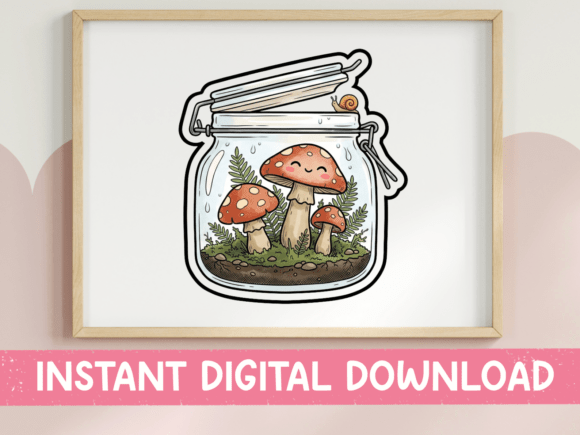
Mushroom Terrarium Jar Sticker Design Review
As a designer who spends more time staring at stitch maps than most people spend watching television, I approach every new machine embroidery design with a mix of excitement and skepticism. We've all been there: you download a file that looks adorable on the screen, only to find it turns into a puckered mess or a blob of thread once it hits the fabric. That is why I took a close look at the Mushroom Terrarium Jar Sticker Design before committing it to any client projects. This isn't just about whether it's cute; it's about whether it holds up under the needle and delivers value to a craft business or handmade shop.
First Impressions and Aesthetic Appeal
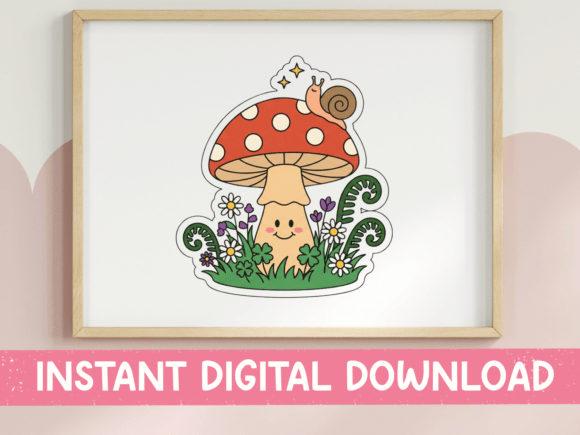
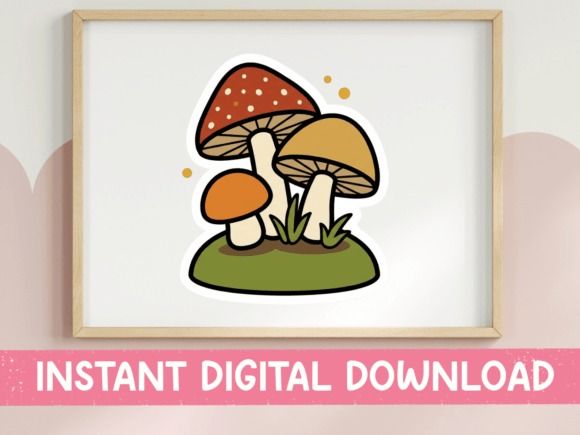
The moment I pulled up the preview for this design, the cottagecore vibe was undeniable. It taps perfectly into the current trend of nature-inspired whimsy that plant lovers and mushroom obsessives are craving. The concept is simple but effective: a classic mason jar acting as a vessel for a tiny, self-contained world featuring three red and white spotted mushrooms with smiling faces. As a piece of Graphics intended for T-Shirt Designs, the layout feels balanced. The vertical orientation of the jar makes it versatile for placement on everything from pocket areas on tees to the center of tote bags.
What stands out immediately is the personality of the design. The smiling mushrooms add a touch of warmth that generic botanical sketches often lack. For an Etsy seller looking to create a handmade product that feels personal and inviting, this visual personality is gold. It suggests a story—a little ecosystem captured in glass—which resonates deeply with customers looking for unique, non-mass-produced items. However, aesthetic appeal is only half the battle. The real test is how these visual elements translate into actual thread.
Real-World Application Scenarios
To truly evaluate this embroidery project, I imagined several real-life scenarios where this design would shine. My first thought went straight to a custom embroidered tote bag. Canvas or heavy cotton twill provides the stability needed for the jar's outline and the detailed caps of the mushrooms. Imagine this stitched in vibrant greens and reds against a natural beige bag; it becomes an instant statement piece for a farmer's market run or a grocery trip.
Another strong contender is sweatshirt embroidery. A cozy, oversized crewneck in sage green or oatmeal would serve as a perfect backdrop. The "sticker" style of the design implies a bold, defined edge, which works beautifully on thicker fabrics where the stitches can sit on top without sinking in. For those running a small boutique, this could easily become a signature item for autumn collections. I also considered its potential as an embroidered patch. If digitized with a merrowed edge or a tight satin border, this design could be hooped on water-soluble stabilizer, cut out, and applied to denim jackets or backpacks, adding significant versatility to the finished product.
While it fits well in commercial embroidery contexts, don't overlook its power as a personalized gift. A kitchen towel featuring this terrarium jar adds a splash of fun to a housewarming present. Even baby embroidery comes to mind; scaled down appropriately, it could adorn a onesie or a nursery blanket, bringing a gentle, nature-focused theme to a child's wardrobe.
Technical Considerations for Stitching
Now, let's get into the nitty-gritty that separates a hobbyist from a professional. When working with a design like the Mushroom Terrarium Jar Sticker Design, attention to technical detail is paramount. The description mentions red and white spotted mushrooms. In embroidery, white on red (or vice versa) requires careful management of thread colors and underlay. If the digitizing relies heavily on fill stitch for the mushroom caps, you need to ensure the stitch density isn't too high, or you risk causing the fabric to pucker, especially on lighter materials.
One area requiring caution is the "smiling" detail on the mushrooms. Tiny facial features often get lost if the design is resized too small. If you are working with a limited hoop size and need to shrink the design to fit a cap or a small pocket, those smiles might turn into indistinct blobs. I always recommend testing the design on scrap fabric first, specifically checking if the fine details remain crisp. Additionally, the glass jar element likely utilizes satin stitch columns to mimic the shine or contour of the glass. On curved surfaces like caps, long satin runs can gap or shift, so this design is best reserved for flat applications unless you have experience adjusting tension for curved hoops.
Fabric choice plays a massive role here. While the design looks great on paper, textured fabrics can interfere with the clean lines of the jar. A highly textured linen might make the straight edges of the mason jar look wavy. Conversely, stretchy fabrics like jersey knits require a robust stabilizer strategy. Without proper backing, the weight of the terrarium design could drag the fabric down over time, distorting the shape after a few washes. Always check the recommended hoop size and stabilize accordingly, perhaps using a cut-away stabilizer for garments that will see frequent wear and washing.
Business Value and Customer Trust
From a business perspective, the quality of your design assets directly impacts customer trust. A clean, well-executed embroidery job signals professionalism. If the Mushroom Terrarium Jar Sticker Design stitches out with clarity and vibrant color contrast, it elevates the perceived value of your small shop product. Customers are willing to pay more for items that look meticulously crafted rather than hastily thrown together.
This design also offers excellent potential for marketing. It is highly "instagrammable," which is crucial for modern digital product sellers and makers. Creating a printable mockup or taking photos of the stitched design on various backgrounds can drive engagement on social media. The cottagecore theme is evergreen, meaning this design won't feel outdated next season. It builds brand consistency if you specialize in nature-themed goods, helping buyers instantly recognize your work.
Final Verdict and Designer Notes
Overall, the Mushroom Terrarium Jar Sticker Design is a charming addition to any library of embroidery files. It bridges the gap between trendy aesthetics and practical application. However, success lies in the execution. Before selling this as a custom apparel item or including it in a line of holiday gifts, take these steps:
- Test on Scrap: Never skip the test stitch-out. Check how the red and white threads interact on your specific machine.
- Check Licensing: Confirm whether the license allows for commercial use if you plan to sell finished items or digital derivatives.
- Review Density: Inspect the back of the sample. If there is excessive thread buildup, consider editing the file to reduce density.
- Contrast Check: View your test stitch in black and white (or take a photo and desaturate it) to ensure the shapes are distinct without relying on color.
- Fabric Matching: Ensure the fabric weight matches the design's complexity; avoid using it on sheer or overly thin materials without heavy stabilization.
If you verify these details, this design has the potential to be a bestseller in your shop. It captures a specific mood that resonates with a wide audience, from creative entrepreneurs to casual crafters. Just remember, the difference between a good design and a great finished product is often found in the preparation and the respect for the materials you are stitching on. Happy stitching!