Cute Corgi Sitting: A Designer's Take on Kawaii Embroidery
As a designer who spends more time staring at stitch maps than most people care to admit, I approach new Illustrations and Graphics with a critical eye. It is not enough for a design to look cute on a screen; it must translate beautifully into thread. When I first encountered the Cute Corgi Sitting design, my immediate reaction was one of cautious optimism. The soft pastel kawaii style is undeniably charming, but in the world of machine embroidery design, charm often gets lost in poor digitizing or unsuitable fabric choices. After reviewing the assets and mentally mapping out a real-world embroidery project, I am ready to share how this specific asset holds up for professional use.
First Impressions and Visual Personality
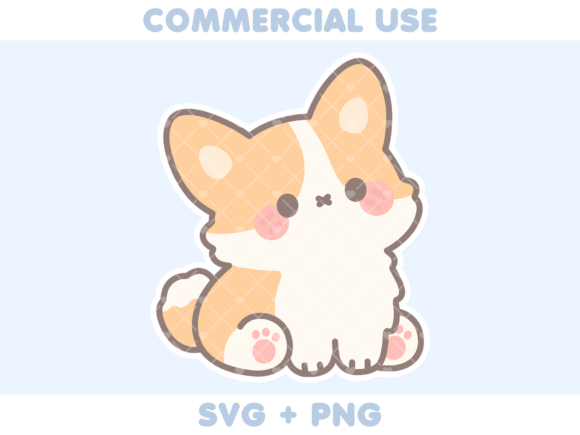
The Cute Corgi Sitting illustration exudes a gentle, welcoming mood. The lines are clean, and the proportions are exaggerated in that delightful way that defines the kawaii aesthetic. For an embroiderer, the shape is promising. It avoids overly complex, tiny details that often turn into thread nests, favoring bold, recognizable shapes that read well even from a distance. The layout feels balanced, suggesting that the original artist understood how negative space works. This is crucial because when you convert a digital embroidery file into a physical finished product, those gaps between stitches determine whether the design looks crisp or cluttered.
The inclusion of two file variations—a high-quality PNG with a transparent background and a version with a white outline—shows thoughtful preparation. The white outline option is particularly clever for Etsy seller workflows, as it mimics the look of a die-cut sticker, which can be replicated in embroidery using a satin stitch border or a thick running stitch outline. This versatility immediately broadens the scope of potential applications beyond standard apparel.
Real-World Application: The Custom Tote Bag Scenario
To truly test the viability of Cute Corgi Sitting, I imagined a specific client request: a custom order for a local pet boutique needing branded tote bags. These bags are made of mid-weight canvas, a fabric with a distinct fabric texture that can challenge detailed designs. Here, the simplicity of the corgi becomes its greatest strength. Unlike intricate portraits that require thousands of stitches and dense fill stitch areas, this design relies on solid blocks of color.
In this scenario, the Cute Corgi Sitting motif would serve as the centerpiece. Using a satin stitch for the outline and a lighter density fill for the body would prevent the canvas from puckering. The pastel color palette suggested by the preview would pop beautifully against a natural or navy canvas, creating a handmade product that feels premium rather than mass-produced. Customers browsing a craft fair booth are drawn to items that feel personal; seeing a well-executed corgi on a tote bag triggers an emotional response that drives sales. It transforms a simple bag into a personalized gift or a statement piece for a dog lover.
Versatility Across Product Lines
Beyond tote bags, this design is highly adaptable for various custom apparel and home goods. Imagine it as a sweatshirt embroidery patch on the chest of a oversized hoodie. The sitting pose fits perfectly within the limited real estate of a left-chest logo placement. For baby embroidery, the soft colors and non-threatening subject matter make it ideal for onesies or nursery blankets. However, one must be mindful of stitch density on stretchy fabrics like jersey knits; a heavy design can weigh down the fabric and cause distortion over time.
For those running a craft business, the potential extends to embroidered patch creation. By digitizing the white-outline version with a merrow edge or a dense satin border, you create a standalone product that can be ironed onto jackets or hats. This adds a revenue stream without requiring the purchase of entire garments. It also works wonderfully for holiday embroidery projects, perhaps incorporated into a larger scene for a Christmas stocking or a Valentine's Day pillow cover.
Technical Considerations and Fabric Challenges
While the design is robust, there are areas where caution is required. If you plan to use Cute Corgi Sitting on dark fabric, the pastel colors mentioned in the description might lack sufficient contrast unless you use high-opacity threads or add an underlay. This is where the "white outline" PNG asset becomes invaluable as a reference for adding a white backing layer in your digitizing software. Without this step, the vibrant pastels could look muddy against black or deep charcoal materials.
Textured fabrics present another hurdle. On thick towels or looped terrycloth, fine details can get swallowed. Since this design leans towards simpler shapes, it generally performs better on textured surfaces than highly detailed applique design options, but testing is still mandatory. Curved surfaces, such as caps, require careful hooping and potentially a smaller version of the design to avoid wrapping around the brim awkwardly. Always confirm the appropriate hoop size before starting; trying to force a large design into a small hoop can lead to registration errors.
Furthermore, products that undergo frequent washing, like kitchen towels or active wear, demand secure stitching. Ensure that your stabilizer choice matches the fabric weight. A cut-away stabilizer is often safer for stretchy garments to maintain the integrity of the corgi's shape after multiple wash cycles, whereas tear-away might suffice for stable woven fabrics like cotton twill.
Enhancing Brand Value and Customer Trust
Using high-quality assets like Cute Corgi Sitting directly impacts your brand perception. In the competitive landscape of small shop product sales, consistency is key. A design that stitches out cleanly, with no thread breaks or jagged edges, signals professionalism. It builds customer trust. When a buyer receives a finished product that looks exactly like the printable mockup they saw online, satisfaction rates soar. Conversely, a poorly executed design can lead to returns and negative reviews.
This specific graphic offers a level of polish that elevates the perceived value of the item. Whether you are selling design assets to other makers or selling the physical embroidered goods yourself, the visual appeal of a well-proportioned kawaii character encourages engagement. It is the kind of image that stops a scroll on social media, driving traffic to your Etsy listings or website.
Final Designer Notes and Best Practices
Before committing to a full production run of Cute Corgi Sitting, I strongly advise running a test stitch-out on scrap fabric similar to your final material. Check the thread colors against your physical spools, as screen colors can differ significantly from actual thread shades. Pay close attention to the transition points between color blocks; these are common spots for thread trimming issues if the digitizing isn't tight.
Review the licensing terms carefully. While the product description highlights the inclusion of PNG files for stickers and graphics, ensure you have the rights to use the underlying vector or embroidery data for commercial embroidery if you intend to sell the stitched items. If the package only includes raster images (PNGs), you may need to have the design professionally digitized into an embroidery file format compatible with your machine before stitching.
In conclusion, Cute Corgi Sitting is a versatile and endearing asset that, when handled with technical care, can become a staple in your embroidery project portfolio. Its strength lies in its simplicity and emotional resonance, making it a perfect candidate for everything from boutique merchandise to heartfelt gifts. With the right fabric pairing and attention to stitch quality, this design has the potential to be a bestseller in any creative entrepreneur's lineup.